


We independently evaluate all of our recommendations. If you click on links we provide, we may receive compensation.
Getting the timing right with hyaluronic acid can mean the difference between dewy, plump skin and unexpected tightness. This guide breaks down exactly when to apply hyaluronic acid in your skincare routine, what condition your skin should be in, and how to layer it with other products for maximum hydration.
Key Takeaways
- Apply hyaluronic acid serum immediately after cleansing, onto slightly damp skin, both morning and in your evening routine, then seal with a moisturizer within about 60 seconds.
- Hyaluronic acid works best as the first water-based serum in your lineup, before active ingredients like vitamin C, niacinamide, retinol, or glycolic acid.
- In dry climates or for very dry skin, always mist or dampen skin first and follow quickly with a richer cream or oil to prevent the serum from pulling moisture from deeper skin layers.
- Low molecular weight formulations penetrate deeper for intense hydration, while high molecular weight HA creates surface hydration and smoothing with less irritation risk.
- Most skin types can safely use hyaluronic acid twice daily. Pair it with the right moisturizer for your climate and skin type, and you will see improved skin texture within a few weeks.
What Is Hyaluronic Acid & Why Timing Matters
Hyaluronic acid is a glycosaminoglycan naturally found in your skin, joints, and connective tissue. Think of it as a moisture magnet: a powerful humectant that draws moisture from its surroundings and helps maintain skin’s moisture and elasticity. It can hold up to 1,000 times its weight in water, which is why it shows up in so many serums, moisturizers, and even eye creams.
Here is why the timing of application matters so much:
- Topical hyaluronic acid sits in the “hydration” step of your skincare routine. It adds water, not oil, helping plump skin and create a smooth texture.
- When you apply hyaluronic acid and the condition your skin is in (damp vs. dry) directly determines whether you get proper hydration or increased tightness.
- Your body’s natural HA production declines from the late 20s onward and accelerates with UV rays and pollution exposure, so correct application becomes more important with age.
- Unlike exfoliating acids, HA does not peel or chemically alter the skin’s surface. It is gentle enough for twice-daily use across most skin types.
How Hyaluronic Acid Works On Skin
Hyaluronic acid works by functioning as a water-binding humectant. When applied topically, it attracts water molecules to the skin’s surface and holds them there. The result is a rapid improvement in surface moisture and a visible plumping effect.
The key hyaluronic acid benefits include:
- Surface hydration: HA binds water at the outermost layers of skin, reducing the feeling of dryness and tightness.
- Fine line reduction: Topical hyaluronic acid can reduce the appearance of fine lines by temporarily inflating dehydrated cells, helping to plump fine lines within hours of application.
- Barrier support: Hyaluronic acid supports a stronger skin barrier against environmental stressors, reducing transepidermal water loss when sealed properly.
- Texture improvement: Regular use of hyaluronic acid leads to a plumper, healthier complexion with improved skin texture over weeks of consistent application.
It is important to differentiate HA from exfoliating acids like glycolic acid or salicylic acid. Those acids dissolve dead skin cells. Hyaluronic acid does none of that. It simply hydrates, which is why it works well for sensitive skin and can be used daily without risk of over-exfoliation.
HA comes in different molecular weights and forms, including sodium hyaluronate and hydrolyzed hyaluronic acid, which affect how deeply the product penetrates and how it feels on your skin.
Low vs. High Molecular Weight Hyaluronic Acid
Hyaluronic acid’s molecular size affects its skin interaction in a meaningful way. Not all HA serums behave the same, and understanding the difference helps you choose the right product.
- Low molecular weight HA consists of smaller molecules, roughly 20–300 kilodaltons (kDa). Low molecular weight HA penetrates deeper into the upper epidermis, delivering deep hydration and more significant wrinkle-depth reduction. However, low molecular weight formulations carry a slightly higher irritation risk on very sensitive or reactive skin, as some small HA fragments can trigger mild inflammatory signals in compromised barriers.
- High molecular weight HA features larger molecules, often 1,000–1,400 kDa. These sit closer to the skin’s surface, creating an immediate smoothing and plumping effect with minimal irritation risk. High molecular weight variants are well suited for sensitive or reactive skin and for anyone new to HA.
- Multi-weight blends combine multiple molecular weights in a single formula. Multi-weight HA blends provide both surface and deeper hydration, delivering benefits across different skin layers. These are increasingly common and often labeled as “multi-molecular” or “5-weight” formulas.
If you have reactive skin or rosacea-prone skin, start with a high molecular weight or blended formula. Labels rarely list exact kDa values, but terms like “multi-molecular weights,” “low molecular weight,” or “high molecular weight” guide your product choice. A randomized controlled trial with elderly participants found that low MW HA lotion significantly improved skin hydration (measured via capacitance) after just four weeks compared to high MW and vehicle creams, with no adverse effects.
When In Your Routine To Apply Hyaluronic Acid (Quick Answer)
Apply hyaluronic acid serum immediately after cleansing (and after toner or essence if you use them), onto slightly damp skin, as your first water-based treatment step. Hyaluronic acid should be the first serum step after cleansing in a skincare routine. Apply hyaluronic acid serum within 30–60 seconds of cleansing for the best results.
Morning routine order:
- Gentle cleanser
- Optional hydrating toner or essence
- Hyaluronic acid serum (on damp skin)
- Other water-based actives (vitamin C serum, niacinamide)
- Lightweight moisturizer
- Sunscreen SPF 30+
Evening routine order:
- Makeup remover or oil cleanser (if needed)
- Water-based cleanser
- Optional hydrating toner or lightly mist with a hydrating facial mist
- Hyaluronic acid serum (on damp skin)
- Targeted active serums (retinol, or exfoliating acids on alternate nights)
- Moisturizer or face oil
The American Academy of Dermatology recommends the general “thinnest to thickest” layering rule. Applying hyaluronic acid before heavier creams or oils allows for better absorption and lets the moisturizer act as a protective layer that seals everything in.
Why You Should Apply Hyaluronic Acid To Damp Skin
This is the single most important application detail. Apply hyaluronic acid to damp skin for optimal hydration.
What “damp” means in practice: your skin has just been cleansed or you have used a hydrating toner, and it still feels slightly damp to the touch-not dripping wet and not towel-dried to bone-dry. A damp surface allows hyaluronic acid to maximize absorption because there is surface moisture available for the humectant to bind to.
Here is what goes wrong when you skip this step:
- Hyaluronic acid can pull moisture from deeper skin layers if applied dry, especially in a low-humidity environment. Instead of hydrating the surface, HA draws water upward from deeper layers, and that moisture can then evaporate, leaving newly hydrated skin feeling tighter than before.
- Without available surface moisture, the humectant has nothing external to grab onto, which can increase moisture loss rather than reduce it.
Practical technique:
- After cleansing, pat (do not rub) your face with a clean towel, leaving a thin film of water.
- Or, lightly mist your face with a hydrating facial mist right before application.
- Apply hyaluronic acid immediately to this damp skin.
- Seal hyaluronic acid with a moisturizer within 60–90 seconds to prevent evaporation and lock in that dampness.
If you take away one thing from this article, let it be this: never apply hyaluronic acid to completely dry skin, and never skip the moisturizer seal.
Step‑By‑Step: How To Apply Hyaluronic Acid Serum
Morning
- Wash your face with a gentle cleanser. Rinse with lukewarm water.
- Optionally apply a hydrating toner while skin is still wet.
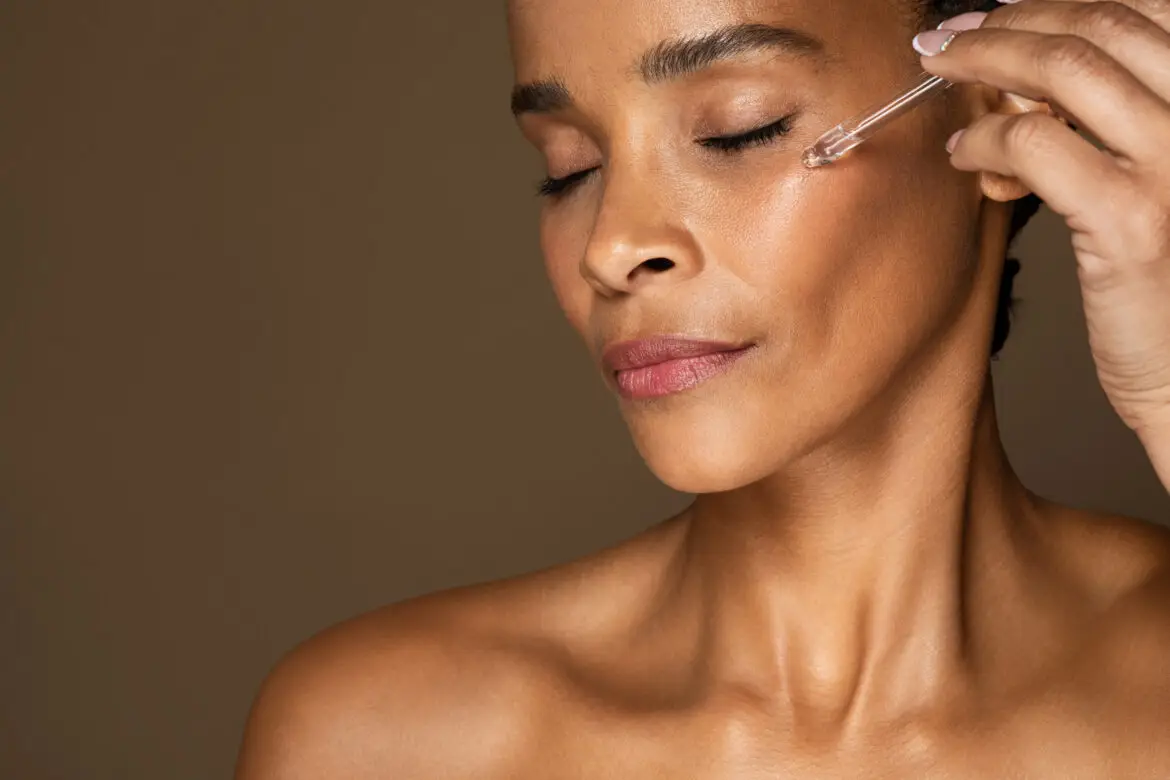
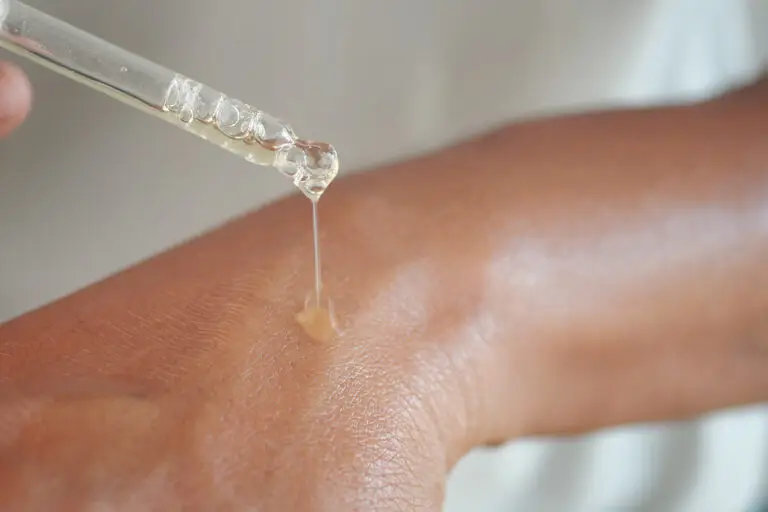
- Within 30–60 seconds of cleansing, dispense a few drops (use two to three drops of hyaluronic acid serum) onto your fingertips.
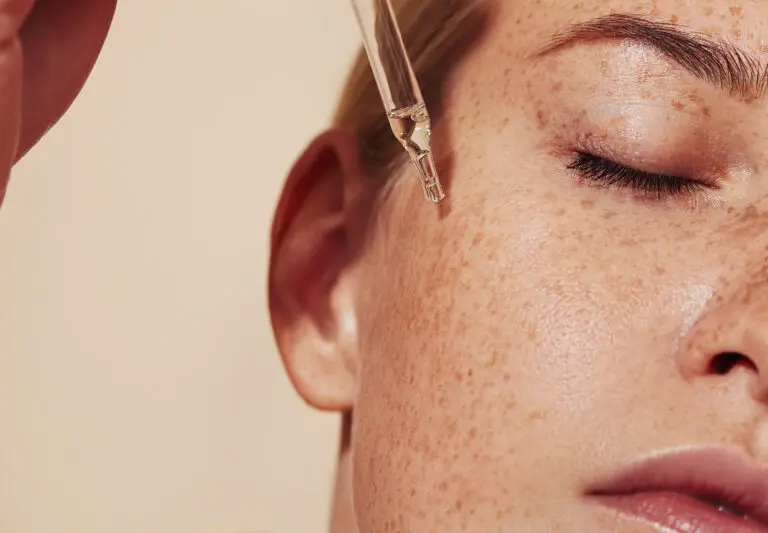
- Gently press the serum across your face and neck. Focus on areas prone to fine lines-around the mouth, forehead, between brows for better localized hydration.
- Layer any treatment serums: a vitamin C serum for antioxidant protection, or niacinamide for barrier support.
- Apply a lightweight moisturizer while skin still feels slightly tacky from the serum. This seals in hydration.
- Finish with broad-spectrum sunscreen (SPF 30+) to guard against sun exposure and UV rays.
Evening
- Remove makeup and sunscreen with an oil-based cleanser or micellar water to clear overnight buildup and daily grime.
- Follow with your water-based cleanser to remove any remaining residue.
- Optionally lightly mist your face or apply a hydrating toner to restore moisture and create a damp base.
- Apply hyaluronic acid serum (two to three drops) onto damp skin, pressing gently.
- If using retinol, apply it next. Using HA before retinol can help buffer retinol irritation by keeping skin hydrated.
- Finish with a richer moisturizer or face oil to create an occlusive seal, especially in dry climates.
Do not use an excessive amount. More than a pea-sized amount or 2–3 standard drops can lead to pilling or tackiness without extra benefit.
How Often To Use Hyaluronic Acid & Who It Suits
Hyaluronic acid can be used both morning and evening in skincare routines. Apply hyaluronic acid serum morning and night for best results, as it is not a strong active ingredient like glycolic acid or retinoids.
Skin Type | Frequency | Formula Tips |
Dry skin | Twice daily | Pair with richer creams, ceramides, and occlusives |
Oily skin | Twice daily | Choose a lightweight formula; follow with gel moisturizers to avoid clogging pores |
Sensitive skin | Start once daily | Use high MW or multi-weight blends; fragrance-free |
Mature skin | Twice daily | Combine with peptides, ceramides, or gentle retinoids for promoting elasticity |
Combination | Twice daily | Use a lightweight hyaluronic acid serum; adjust moisturizer by zone |
For mature skin specifically, clinical data show improvements in skin elasticity and wrinkle depth over approximately 60 days of consistent use with multi-molecular weight HA blends. Pairing HA with peptides or gentle retinoids can help replenish moisture and soften dehydration lines over several weeks.
Layering Hyaluronic Acid With Other Active Ingredients
Hyaluronic acid has a neutral pH and is generally compatible with most active ingredients. You can layer hyaluronic acid with vitamin C, retinol, niacinamide, and exfoliating acids without conflict.
The layering logic is straightforward: apply hyaluronic acid serum first on damp skin, then follow with targeted treatment actives.
Specific combinations:
- HA + Vitamin C (morning): Apply HA first to newly hydrated skin, then your ascorbic acid-based vitamin C serum. HA helps buffer potential irritation from low-pH vitamin C formulas while supporting hydrating benefits and brightness.
- HA + Retinol (evening): Apply HA before retinol to keep skin hydrated and reduce retinol irritation. The moisture cushion from HA helps retinoids spread more evenly.
- HA + Niacinamide: Layer niacinamide over HA for a calm, hydrated moisture barrier that supports barrier repair.
- HA + Exfoliating acids: On nights you use glycolic acid or salicylic acid, apply the acid first (on clean, dry skin), then follow with HA to rehydrate and soothe.
Do not use hyaluronic acid as the sole “moisturizer” over strong acids. Always finish with a proper cream or lotion to fully seal in hydration and keep skin hydrated throughout the night.
Seasonal, Climate & Lifestyle Considerations
These are the errors that undermine everything HA can do for your skin:
- Applying HA to completely dry skin: Without surface moisture, HA pulls water from deeper layers, potentially increasing dryness and tightness. Always apply to damp skin.
- Skipping the moisturizer seal: HA alone does not form a protective layer. Without an occlusive or emollient over it, the hydration you just attracted evaporates. Follow up with a moisturizer to seal in the hydration provided by hyaluronic acid.
- Using too much product: Excess HA leads to pilling and tackiness under makeup or sunscreen. Stick to a few drops-two to three is enough for full face coverage.
- Waiting too long before sealing: If you let HA sit for several minutes before moisturizing, the water it attracted can evaporate before being locked in. Seal within about 60 seconds.
- Layering under silicone-heavy products: Combining HA with multiple heavy, silicone-rich primers or foundations can cause pilling. Simplify layers or allow more absorption time between steps.
Track how your skin feels 10–15 minutes after application. If it feels tight rather than supple, you likely need more dampness before application, a faster moisturizer seal, or a formula shift.
Common Mistakes When You Apply Hyaluronic Acid
Environmental humidity directly affects how hyaluronic acid performs on your skin.
- Humid climates: HA can draw moisture from the air effectively, acting as a true moisture magnet. Lighter HA serums and gel moisturizers work well here. Keep the same timing-apply on damp skin and seal-but use lighter textures.
- Dry or cold climates: Air has less water vapor, so HA may pull moisture from deeper layers instead of the environment. This makes sealing with a richer cream or balm critical. Use multi-molecular weight hyaluronic acid serums for maximum hydration and follow with thicker occlusives, especially at night.
- Air travel and offices: Recirculated, dry cabin air and air-conditioned offices accelerate dehydration. Carry a travel-size mist and a lightweight moisturizer to restore moisture over an existing HA base throughout the day.
- Post-workout: After high-intensity outdoor exercise, cleanse sweat and sunscreen off, then reapply HA to damp skin and seal.
Do not reapply hyaluronic acid serums repeatedly on dry skin throughout the day. Instead, lightly mist first, then top up with moisturizer. This approach delivers intense hydration without risking the reverse-moisture-pull effect.
Choosing The Right Hyaluronic Acid Serum For Your Routine
Not every HA product is created equal. Here is what to look for:
- Ingredient list: Look for “hyaluronic acid,” “sodium hyaluronate,” or “hydrolyzed hyaluronic acid” high in the ingredient list. Products labeled “multi-molecular weight hyaluronic acid” typically deliver both surface hydration and deeper penetration.
- Texture matching: Choose lightweight, watery serums for daytime or oily skin. Slightly thicker gel or cream-serum hybrids work better for dry or mature skin, particularly in the evening routine.
- Simplicity for beginners: Avoid formulas overloaded with strong active ingredients (like HA plus high-strength glycolic acid and retinol in one bottle). Keep hyaluronic acid as the simple hydrating base and add actives separately so you can control dosing.
- Sensitivity considerations: Fragrance-free, alcohol-free formulas are better for sensitive or reactive skin, especially when using HA twice daily. Do a patch test on your inner forearm before applying a new product to your full face.
- Packaging: Airtight pumps or dark glass bottles help keep hyaluronic acid serums stable and easy to dose consistently. Avoid jar packaging that exposes the product to air and bacteria.
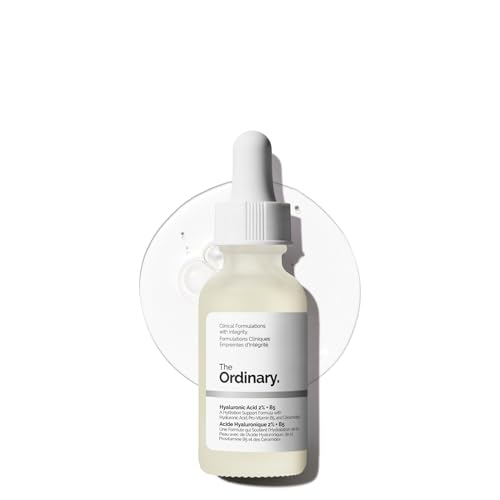
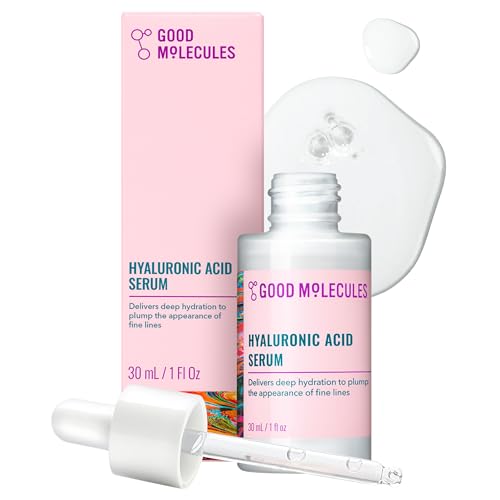
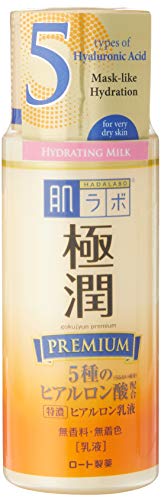
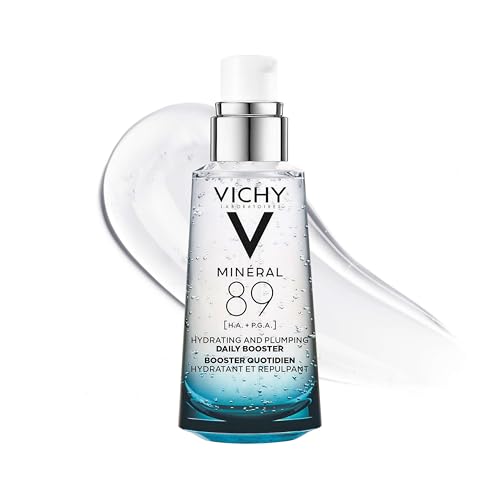
This budget-friendly cult favorite features multiple molecular weights to hydrate both the surface and deeper layers of your skin.
A highly effective, lightweight formula that absorbs quickly without feeling sticky under makeup, making it our top choice for daily use.
Fragrance-free and packed with 7 types of hyaluronic acid, this is a staple for easily irritated or highly reactive skin.
An incredibly lightweight, oil-free gel formula with minimal ingredients that hydrates deeply without clogging pores or triggering breakouts.
If you need something you can grab at the local pharmacy, this is a widely accessible, reliable plumping serum that works beautifully under sunscreen.
Frequently Asked Questions About Hyaluronic Acid
Should I apply hyaluronic acid serum before or after glycolic acid?
Apply glycolic acid first on clean, dry skin (especially toner-style acid exfoliants), then follow with hyaluronic acid serum to rehydrate and soothe. If a product already combines glycolic acid and HA, follow the manufacturer’s directions and still seal with moisturizer. On non-acid nights, use hyaluronic acid in the same damp-skin step as usual. Strong glycolic acid products should not be used nightly unless directed by a skin care professional.
Can I apply hyaluronic acid around my eyes and on my lips?
Most gentle hyaluronic acid serums can be applied carefully around the orbital bone and on lip lines. For delicate areas, eye-specific or lip-specific HA formulas are preferred-look for products designed to work alongside eye creams. Use a minimal amount and avoid direct contact with the waterline. Applying HA to lips and sealing with a balm can temporarily improve the look of lip dryness and fine lines.
Can hyaluronic acid clog pores or cause breakouts?
Hyaluronic acid itself is non-comedogenic and water-based, so it is unlikely to cause clogging pores or directly trigger acne. Breakouts are more commonly caused by heavy occlusive creams, added fragrances, or other ingredients paired with HA. For acne-prone or oily skin, choose minimalist, oil-free hyaluronic acid serums with a lightweight formula and always patch test new products.
How long does it take to see results from a hyaluronic acid serum?
Visible plumping and a smooth texture often appear within minutes to hours because HA draws water to the surface. More sustained improvements in overall hydration, fine dehydration lines, and skin comfort typically develop over 3–6 weeks of consistent twice-daily use. Keep the rest of your routine (cleanser, moisturizer, SPF) stable during this period so you can accurately assess the serum’s impact.
Do I still need a moisturizer if I use hyaluronic acid?
Yes, absolutely. Hyaluronic acid provides water-based hydration, but a moisturizer with emollients and occlusives is needed to trap that water and prevent moisture loss. Even oily skin types should apply a light, non-comedogenic lotion or gel-cream after hyaluronic acid. Choose your moisturizer texture based on skin type and climate, but always keep the same order: hyaluronic acid serum first, moisturizer second. This combination is what delivers proper hydration that lasts.

2 comments
[…] with hyaluronic acid and squalane for hydration that felt hydrated through the […]
[…] ingredients: Key ingredients for dry skin care include ceramides, hyaluronic acid, and glycerin. We prioritized formulas built around these clinically validated actives. […]