

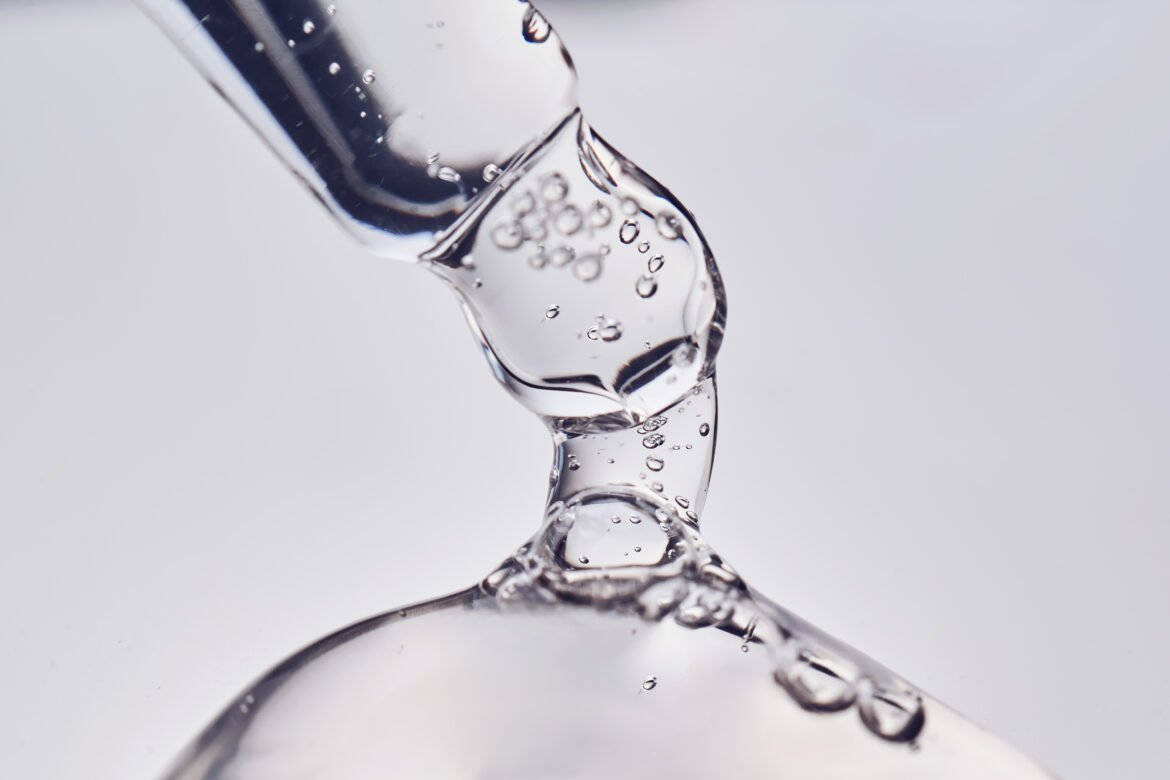
A macro close-up of a glass pipette dispensing a thick, clear cosmetic serum. The viscous gel stretches from the dropper tip to a pool below, with tiny air bubbles suspended inside the liquid.

What Are Peptides in Skincare? A Complete Beginner-Friendly Guide

by The Editors

If you've scanned the back of a serum bottle recently, you've probably seen the word "peptides" listed among the active ingredients. But what are peptides in skincare, and do they actually deliver on those anti aging promises? This guide breaks down exactly how peptides work, which types matter, and how to start using them without overcomplicating your routine.

What Are Peptides in Skincare?

Peptides are short chains of amino acids, typically between 2 and 30 residues-that function as “mini-proteins.” They serve as the building blocks for larger structural proteins like collagen, elastin, and keratin in your skin.

These proteins are what keep skin firm, bouncy, and resilient. As you age, their production naturally declines due to reduced cellular signaling, sun exposure, and oxidative damage. Research shows that natural levels of the peptide GHK, for example, drop from roughly 200 ng/mL at age 20 to about 80 ng/mL by age 60. That decline correlates directly with thinner, less elastic skin.

In skincare products, lab-made peptides are designed to mimic the body’s own signaling molecules. They essentially tell skin cells to repair damage and ramp up production of supportive proteins like collagen and elastin.

Why peptides specifically? Full proteins like collagen are too large to penetrate the skin’s surface effectively. The outermost skin layer is structured to keep large molecules out. Single amino acids, on the other hand, are too basic to trigger specific biological responses. Peptides can penetrate the skin’s surface more easily than whole proteins like collagen, making them the practical sweet spot for topical skincare.

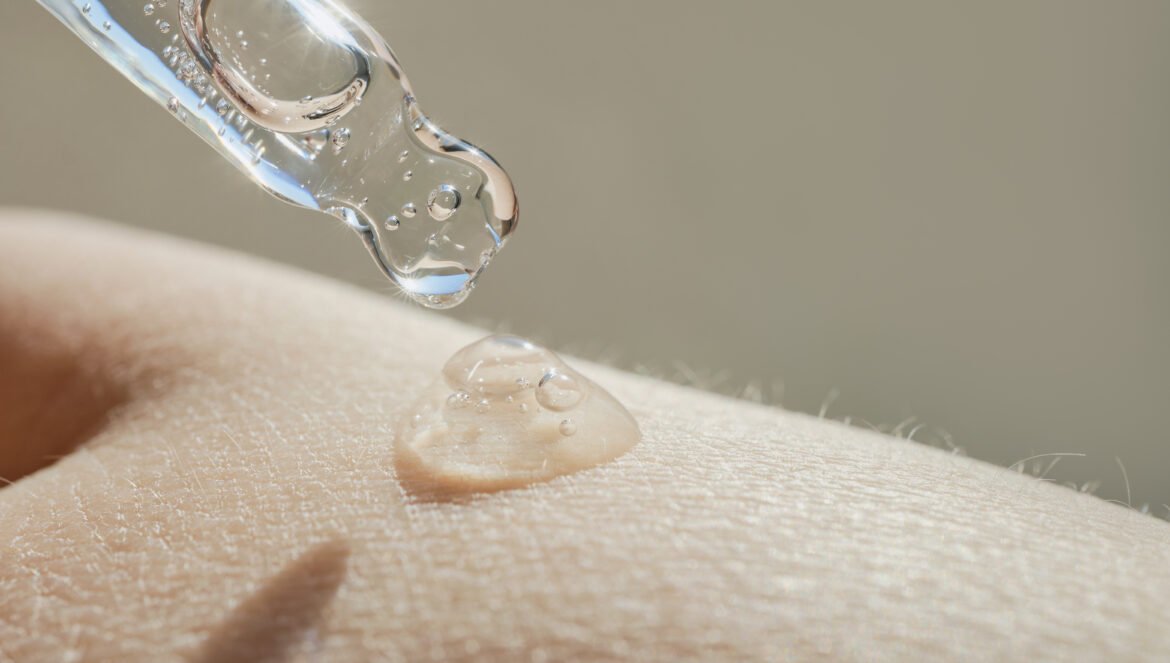
A close-up shot of a glass dropper dispensing a clear drop of serum onto a person's skin.
UNSPLASH

How Peptides Work on the Skin

Peptides act like messengers. When applied topically, they bind to receptors on fibroblasts and keratinocytes, signaling specific actions: stimulating collagen production, reducing inflammation, or improving skin hydration.

Signal peptides, for instance, activate pathways like TGF-β that increase transcription of extracellular matrix components. In plain terms, they encourage collagen and elastin production, which gradually improves skin firmness and reduces the appearance of fine lines over time. Peptides signal skin to produce collagen and elastin through this cellular communication process.

Certain peptides also boost the production of hyaluronic acid by stimulating hyaluronic acid synthase enzymes in fibroblasts. This helps the skin hold onto water more effectively, leading to smoother looking skin that appears more plump. Certain peptides enhance hydration by working with humectants to improve moisture retention.

Some peptides exhibit anti-inflammatory properties that soothe irritated skin, calming redness and dampening chronic low-grade inflammation. This matters for anti aging because ongoing, low-level inflammation is one of the drivers of premature skin aging.

One important caveat: topical peptides sit primarily in the upper layers of the skin. Their effects come from cellular communication rather than deeply “filling” wrinkles. Results are gradual and cumulative, not overnight.

Types of Peptides Commonly Used in Skincare

“Peptides” is a broad umbrella, and different peptides address different concerns. Here’s a breakdown of the main families you’ll encounter in skincare products.

  • Signal Peptides are the collagen boosters. Examples include palmitoyl pentapeptide-4 (Matrixyl) and palmitoyl tripeptide-1. Signal peptides stimulate collagen synthesis in the skin by mimicking fragments of structural proteins, helping soften early signs of aging like fine lines and loss of skin elasticity. In a clinical trial with 93 women aged 35–55, palmitoyl pentapeptide-4 used for 12 weeks significantly reduced fine lines and roughness versus placebo.
  • Carrier Peptides deliver essential minerals for skin regeneration. Copper peptides (GHK-Cu) are the most well-known, transporting copper ions to support wound healing, collagen production, and a healthier skin tone.
  • Neurotransmitter-Inhibiting Peptides like acetyl hexapeptide-8 (Argireline) work differently. Neurotransmitter inhibitor peptides relax facial muscles to minimize wrinkles, targeting expression lines such as crow’s feet and frown lines. The effect is sometimes compared to a much milder, topical version of Botox.
  • Enzyme-Inhibiting Peptides slow the natural breakdown of collagen by increasing tissue inhibitors of matrix metalloproteinases (TIMPs). This helps maintain firmness for aging skin and those seeing early signs of sagging.
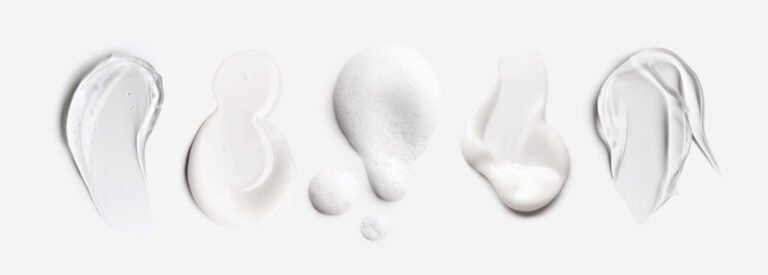
A horizontal compilation of five distinct skincare product forms against a grey backdrop. It displays, from left to right, a clear gel texture, a smooth milky white liquid, a porous foam lather with bubbles, a smooth white cream swatch, and a viscous, textured clear-to-translucent gel.
ENVATO

Key Benefits of Peptides for Skin

Here’s an at-a-glance overview of the main, science-backed benefits of peptides in skincare:

  • Collagen and elastin support. Peptides stimulate collagen production to improve skin firmness. They also help maintain skin elasticity by supporting collagen and elastin. Over months of use, this leads to a visible reduction in the appearance of fine lines and wrinkles.
  • Skin barrier reinforcement. Certain peptides may improve skin barrier function, making it more resilient. A stronger skin barrier means better moisture retention and less proneness to dryness, skin irritation, and rough skin texture.
  • Anti-inflammatory action. Some peptide complexes contain anti-inflammatory properties that calm redness and help skin look more even, reducing inflammation that accelerates aging.
  • Improved hydration and plumpness. Peptides work best when combined with hyaluronic acid and antioxidants. Together, they boost skin hydration and create a visibly plumper, healthier look.
  • Better texture and radiance. Peptides improve skin’s overall appearance and resilience. Dull or tired-looking skin can appear smoother and more luminous with regular use, contributing to youthful looking skin over time.

Peptides and Anti Aging: What They Really Do

Peptides are not instant “miracle” ingredients. But they can meaningfully improve visible signs of aging when used consistently. Setting realistic expectations is important.

Collagen-stimulating peptides gradually soften fine lines and wrinkles, particularly around the eyes, forehead, and mouth, by rebuilding the skin’s supportive structure. Peptides can reduce the appearance of fine lines and wrinkles over 8 to 12 weeks of regular application. In clinical studies, Matrixyl reduced deep wrinkle area by approximately 44% after 8 weeks of twice-daily use.

Peptides can also help maintain skin density and firmness, slowing the look of sagging along the jawline and cheeks. Daily use of peptides can improve skin texture over time through this gradual rebuilding process.

Early signs like first fine lines, slight dullness, and minor loss of bounce tend to respond more quickly than deep, long-standing wrinkles. For more advanced concerns, peptides work best as part of a holistic anti aging routine that also includes daily sunscreen, gentle cleansing, and consistent moisturization.

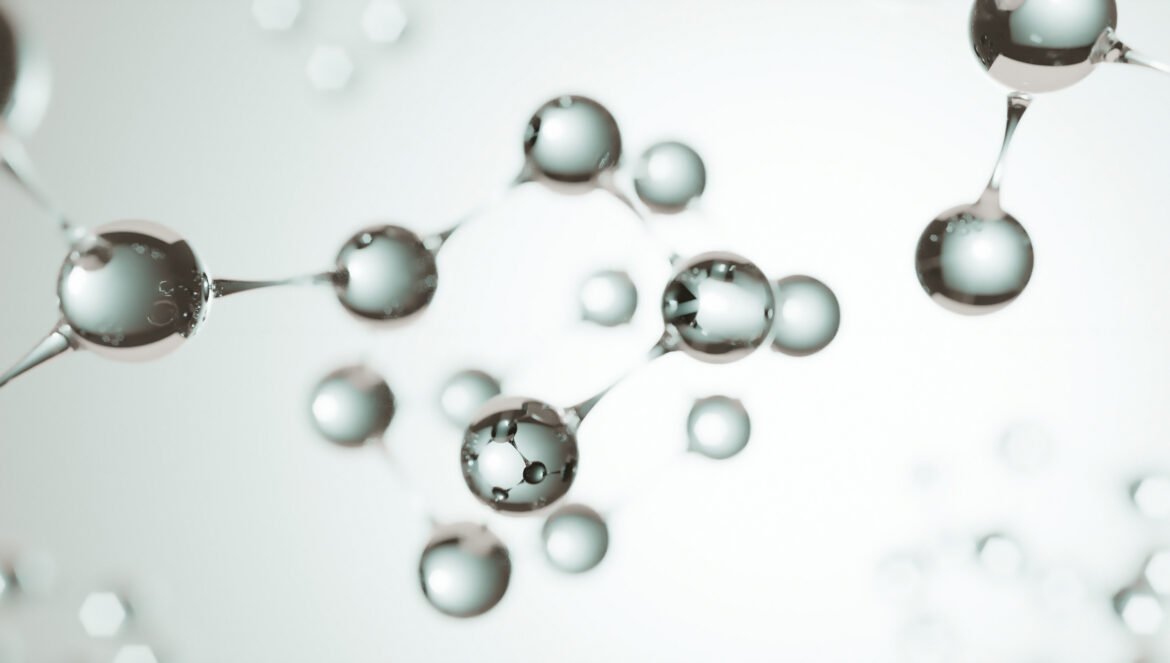
A 3D rendering of peptide molecules, visualized as shiny, reflective spheres connected by molecular bonds, floating against a soft, brightly lit background.
ENVATO

Copper Peptides: A Closer Look

Copper peptides are among the most talked-about peptide types because they combine peptide signaling with the trace mineral copper. Most products label them as GHK-Cu (copper tripeptide-1).

Copper peptides improve firmness and even out skin tone. They stimulate collagen and elastin production, support wound healing and skin regeneration, and enhance overall skin quality. In a 12-week trial with 71 women, a GHK-Cu facial cream increased skin density and thickness while reducing wrinkle depth compared to placebo.

Some peptides feature antioxidant properties that help neutralize free radicals, and copper peptides are especially notable here. They help skin better handle environmental stressors by downregulating oxidative stress pathways and supporting antioxidant enzyme expression.

A brief caution: copper peptides should be introduced gradually. Avoid using peptides with direct acids like strong AHAs or potent vitamin C in the same application step, as these can destabilize the copper complex and cause skin irritation. Layer them at different times of day if you use both.

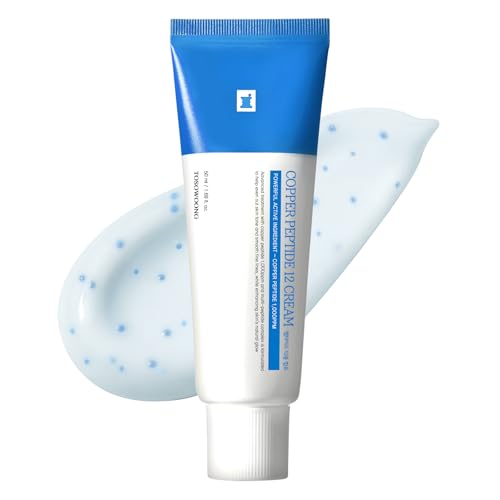
Editors' Pick for Copper Peptides

If you are looking to introduce copper peptides into your regimen without breaking the bank, the TOSOWOONG Copper Peptide 12 Cream is a standout option. Featuring a 99% purity copper tripeptide-1 (GHK-Cu) formula alongside a 12 multi-peptide complex, this cream is designed to target fine lines, firmness, and elasticity.
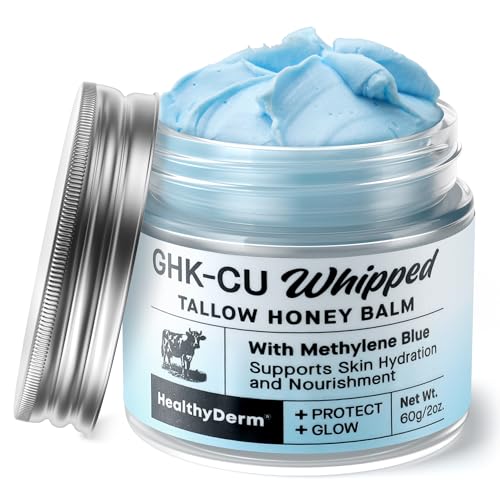
If you are looking to combine the trending power of grass-fed tallow with advanced anti-aging actives, the HealthyDerm Copper Peptides GHK-Cu Beef Tallow Blue Balm offers a deeply nourishing option. This natural face and body moisturizer pairs 100% grass-fed beef tallow and raw Manuka honey with GHK-Cu copper peptides and methylene blue to target mature, dry, and sensitive skin.
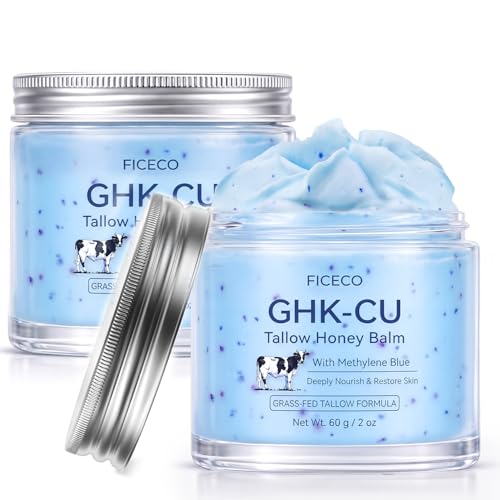
If you want a nutrient-dense moisturizer that merges traditional skincare with advanced peptide science, the FICECO GHK-Cu Copper Peptide Face Cream - Tallow and Honey Balm is a fantastic addition to your routine. Formulated with grass-fed whipped tallow, 2% copper peptide (GHK-Cu), Manuka honey, and vitamin E, it is specifically designed to nourish mature, dry, and sensitive skin types.
How Peptides Compare to Other Popular Ingredients

Peptides are one piece of a broader skin care routine. They work alongside other actives rather than replacing them.

Feature

Peptides

Hyaluronic Acid

Retinoids

Primary action

Stimulating collagen and supporting structure

Drawing water into skin for hydration

Speeding cell turnover and collagen

Sensitivity risk

Low

Very low

Moderate to high

Time to results

6–12 weeks

Immediate plumpness

4–12 weeks

Best for

Firmness, fine lines, barrier

Hydration, plumpness

Wrinkles, pigmentation, texture

Peptides pair well with hyaluronic acid: HA provides immediate plumpness while peptides build the structural proteins that hold that moisture long-term. Retinoids are more aggressive-they speed cell turnover and encourage collagen but can cause peeling and irritation. Peptides are the gentler “support coaches” that help maintain and rebuild structure quietly.

Many effective anti aging formulas pair peptides with antioxidants (like botanical extracts or vitamin C alternatives) to protect new collagen from free-radical damage. Budget-conscious routines can still benefit from one well-formulated peptide product layered with a simple hydrator and SPF.

Where to Find Peptides in Your Skincare Routine

You don’t need to overhaul your entire regimen. You can add peptides where they’ll be most effective: in leave-on products with good skin contact time.

  • Peptide serums are the most common and effective format. A peptide serum is usually water-based and applies easily after cleansing and before moisturizer, suitable for both morning and evening.
  • Peptide moisturizers and night cream formulas support overnight repair, locking in skin hydration and reinforcing the skin barrier while you sleep.
  • Peptide eye cream products target dark circles, puffiness, and fine lines around the eyes-where early signs of aging often appear first.
  • Some sunscreens and mists now include peptides for extra anti aging support, but treat these as a bonus rather than your primary peptide step. You’ll find peptides most effective in dedicated, concentrated leave-on products.
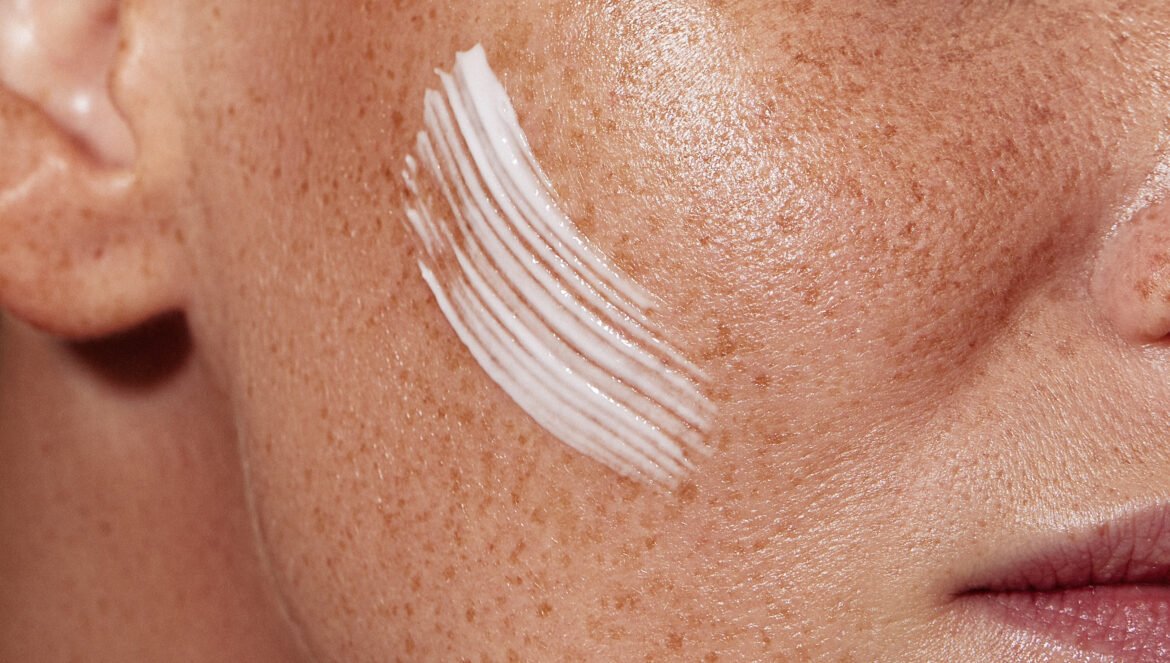
A close-up shot of a person's healthy, freckled skin with a thick, textured swipe of white skincare cream applied across their cheek.
ENVATO

How to Add Peptides to Your Routine (Step-by-Step)

Incorporating peptides doesn’t require a complicated overhaul. Here’s a practical framework:

Morning: Cleanse → tone (optional) → peptide serum → eye cream → moisturizer → sunscreen

Evening: Cleanse → tone (optional) → peptide serum → eye cream → night cream

Peptide serums should be applied after cleansing and before creams. Use peptides in both morning and evening routines for best results. Peptides can be used daily for optimal skin benefits.

Start slowly. Apply once a day for a week or two, then increase to twice daily if skin tolerates it without stinging, redness, or breakouts. Choose one main peptide product focused on your primary concern-a peptide eye cream for dark circles and crow’s feet, or a full-face serum for loss of skin firmness and fine lines.

Layering peptides with hydrating ingredients like hyaluronic acid and ceramides is usually safe and beneficial. If you’re already using retinoids or exfoliating acids, introduce peptide products one at a time and on alternate application steps to keep your daily routine manageable.

Peptide Products We Love

If you want a targeted serum designed to help you achieve that coveted Korean glass-skin glow, the medicube PDRN Pink Peptide Serum with Salmon DNA is an exceptional choice. Formulated with a blend of peptides (including palmitoyl pentapeptide-4, copper tripeptide-1, and acetyl hexapeptide-8) alongside salmon DNA (PDRN) and niacinamide, this pink glow serum is crafted to nourish, hydrate, and promote a firmer-looking complexion.

It features a powerful, well-studied peptide blend (including SYN-AKE, Matrixyl synthe'6, Matrixyl 3000, and ARGIRELOX) alongside multiple hyaluronic acid complexes to target crow's feet, improve elasticity, and deliver deep hydration.

If you are looking to target fine lines, puffiness, and tiredness around the delicate eye area, the BIODANCE Hydrogel Eye Patches (Collagen Peptide) are an exceptional addition to your routine. Packed with 97,000 ppm of collagen water, multiple peptides, and hyaluronic acid, these hydrogel patches deliver intensive, cooling hydration right where you need it most.

Who Should Consider Using Peptides?

Nearly all skin types can benefit from peptides, but some groups will notice changes more clearly.

  • Late 20s to 30s: People noticing early signs of aging-first fine lines, slight loss of glow, mild under-eye creasing-are ideal candidates. Peptides are generally suitable for this prevention-focused stage.
  • 40s, 50s, and beyond: Those with established aging skin can see meaningful improvements in skin firmness, skin texture, and hydration. Deep wrinkles may still need professional treatments alongside topical peptides.
  • Sensitive skin: People with sensitive or dryness-prone skin often tolerate peptides better than retinoids or strong acids, making them a gentle entry point for anti aging.
  • Prevention-focused users: Anyone already using sunscreen daily and a simple, hydrating skincare routine can find peptides useful as a next step to support collagen without overcomplicating things. Peptides are suitable for most skin types regardless of specific skin type.

Safety, Side Effects, and When to Be Cautious

Peptides are generally considered low-risk and non-irritating for most skin types when used as directed. Clinical studies of GHK-Cu and palmitoyl peptides report few adverse events across 12-week use periods.

Possible mild side effects include:

  • Temporary redness or tingling when starting a new product
  • Small breakouts during the adjustment period
  • Mild stinging if the formulation contains strong preservatives or fragrance

Always do a patch test on a small area before full-face use. People with very reactive, allergy-prone skin or those on prescription treatments like isotretinoin should consult a dermatologist before adding multiple new actives.

Keep in mind that heavily fragranced or strongly preserved products may be more problematic than the peptides themselves-check the full ingredient list. If burning, significant redness, or swelling occurs, stop the product, simplify your routine, and seek professional advice if symptoms persist.

Key Takeaways

  • Peptides are short chains of amino acids that signal skin cells to produce more collagen, elastin, and hyaluronic acid. Over time, this helps reduce the appearance of fine lines and wrinkles, support aging skin, and strengthen the skin barrier.
  • Different peptides target different concerns. Signal peptides boost firmness, copper peptides improve skin tone and healing, and neurotransmitter-inhibiting peptides soften expression lines like crow's feet and frown lines.
  • Peptides work best in leave-on products such as serums, moisturizers, and eye creams. Use them consistently, ideally twice daily, and combine them with hydrating ingredients like hyaluronic acid for the best results.
  • Peptides are generally well tolerated and suitable for most skin types. They can be combined with other anti aging actives, but visible changes take weeks to months of consistent use-not days.
  • You can start simply: add one peptide serum for fine lines and firmness, or a peptide eye cream for dark circles, and build from there based on your skin goals.

Frequently Asked Questions

How long does it take to see results from peptide products?

Hydration and plumpness can improve within days. Visible changes in fine lines, skin texture, and skin firmness typically take 6 to 12 weeks of consistent use. Collagen remodeling is slow, so commit to finishing at least one full bottle of a peptide serum before judging results.

Yes. Most peptide serums, moisturizers, and eye creams are formulated for daily or twice-daily use and are safe for long-term, continuous application. If your skin is very sensitive, start with once daily and build up to morning and evening as tolerated.

Certain peptide eye formulas can reduce puffiness, improve firmness in thin under-eye skin, and soften the appearance of fine lines-which may make dark circles look less noticeable. If dark circles are mostly genetic or caused by hollowing, other peptides and topical treatments alone may not fully resolve them, but they can still improve skin health around the eyes.

Peptides and retinol work differently. Retinol increases cell turnover and collagen but can cause irritation. Peptides support collagen and skin barrier health more gently. Many people benefit from using both retinol at night and peptides in the morning, especially for more advanced signs of aging skin. Consult a professional if your skin is sensitive.

Look for ingredient names ending in “peptide” or specific terms like “palmitoyl tripeptide,” “acetyl hexapeptide-8,” or “copper peptides (GHK-Cu)” positioned high enough in the ingredients list to be meaningful. Choose reputable brands that disclose the types of different peptides used and make realistic claims rather than promising instant, dramatic transformations. Healthy skin comes from well-formulated products and consistent use, not marketing hype.

3 comments

What Order To Apply Skincare: The Correct Routine For Morning & Night August 27, 2026 - 8:02 am

[…] Hydration: Hyaluronic acid or peptide serum […]

Reply
The 8 Best Sheet Masks for Every Skin Type and Concern September 15, 2026 - 1:34 pm

[…] ingredients like peptides alongside ferments can provide anti-aging benefits, and this formula leverages that […]

Reply
Why Neutrogena's New BEMT Sunscreens Are a Game Changer September 18, 2026 - 1:26 pm

[…] Skincare Boost: Formulated with Neutrogena’s patented Micro-Peptide Technology to actively hydrate the skin and target visible signs of aging while you wear […]

Reply

Leave a Comment

You may also like