

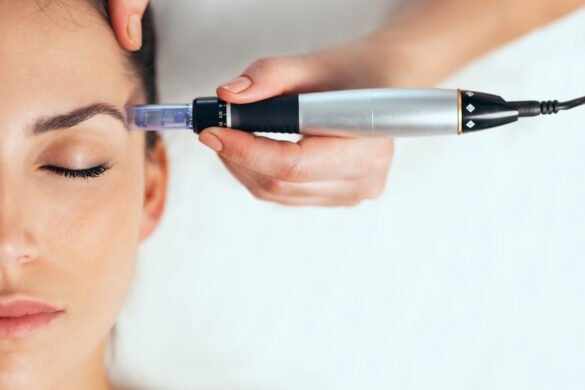
If you just walked out of a microneedling session and you’re staring at your red, flushed face wondering when you can cover it up, you’re not alone. The short answer is straightforward, but the details matter more than most people realize. Here’s everything you need to know about getting back to your makeup routine safely and without sabotaging your results.
Key Takeaways
For most professional microneedling treatments, avoid all makeup for at least 24 hours. Many providers prefer you wait closer to 48–72 hours, especially after deeper sessions or if you have sensitive skin. The recommended waiting period before applying makeup after microneedling is 24 to 72 hours, depending on treatment depth, your skin's reaction, and what type of cosmetics you plan to use.
Here's a quick mini-timeline to keep in your back pocket:
- Day 0 (treatment day): No makeup whatsoever. Only practitioner-approved hydrating serum and bland moisturizer.
- Day 1: Still avoid all makeup. Focus on gentle cleansing, a hydrating serum with hyaluronic acid, and mineral SPF if your provider clears it.
- Days 2–3: Light mineral makeup may be permissible if your skin is calm-no stinging, minimal redness.
- Days 4–7: Gradually return to your regular makeup routine, adding products one at a time.
Why does waiting matter? Your skin has thousands of open micro-channels, a compromised skin barrier, and a heightened infection risk. Rushing cosmetics onto healing skin can prolong redness, trigger breakouts, and interfere with collagen remodeling, the very thing you paid for. Using gentle cleansing, a hydrating serum with hyaluronic acid, and fragrance free products during recovery helps you get back to your normal makeup routine faster and with better results.
Why Your Skin Needs a Break From Makeup After Microneedling
Microneedling intentionally injures your skin to trigger a healing response. Fine needles create thousands of microscopic channels in the skin, and that process leaves your skin barrier weakened for the first 24 to 72 hours. Your face isn’t just red-it’s genuinely wounded at the surface level, even if the damage is controlled and microscopic.
Those micro-channels remain open for roughly 4 to 6 hours post-treatment, and research on microchannel closure shows that deeper channels can stay permeable for 12–18 hours or longer. The surface barrier stays compromised for 1 to 3 days, making skin far more absorbent to anything applied to it. That heightened absorption is great for serums your practitioner recommends. It’s terrible for makeup pigments, preservatives, and bacteria.
Applying makeup too soon can introduce bacteria from products or tools into those fresh channels, cause congestion, and irritate skin with pigments and preservatives. This early irritation can prolong redness, trigger breakouts, or interfere with collagen remodeling and the quality of your final results.
Think of the brief makeup “break” as protecting your investment. A few days of patience usually translates to a better glow and smoother skin texture once healing is complete.
What Happens to Your Skin During and After Microneedling?
Microneedling, also called collagen induction therapy, uses fine needles to create controlled micro injuries across the treatment area. These tiny punctures trigger the body’s natural healing response, which stimulates new collagen production and elastin production over the weeks that follow. It’s this wound-healing cascade that drives the skin rejuvenation benefits people are after: reducing fine lines, improving acne scars, and evening out skin texture.
Immediately after treatment, expect redness, warmth, tightness, and mild swelling similar to a sunburn. Initial redness and tightness last 24 to 72 hours post-treatment, depending on how aggressive the session was. Some people also experience pinpoint bleeding or a shiny, slightly swollen appearance for the first few hours.
The deeper healing process unfolds in stages. Inflammation dominates the first couple of days, followed by tissue formation (new skin cells replacing damaged ones), and finally collagen remodeling that continues for 4 to 6 weeks after a single microneedling session. Typical treatment depths range from 0.25–0.5 mm for a general glow to 1.0–2.5 mm for deeper skin concerns like scarring and wrinkles. Deeper treatments (1.5mm–2.5mm) require longer recovery than shallow ones (0.25mm–0.5mm). For lighter sessions, visible redness and dryness often resolve within 1–2 days; for deeper treatments, expect redness, dryness, and possible flaking lasting 3–7 days.
Exact Timeline: When Can I Wear Makeup After Microneedling?
Most professionals recommend no makeup for at least 24 hours, with many advising 48–72 hours, especially after in-clinic treatments over 1.0 mm depth. The American Academy of Dermatology advises waiting at least 24 hours before applying makeup. Avoid all cosmetics for the first 24 hours post-treatment-this is the one universal rule.
Here’s the day-by-day breakdown:
Day 0 (treatment day): Strictly no makeup. No foundation, no tinted moisturizer, no BB cream, no tinted SPF. Only practitioner-approved hydrating serum (often hyaluronic acid) and bland moisturizer if advised. Your barrier is at its weakest and the treatment area needs to breathe.
Day 1 (first 24 hours): Still avoid all makeup. Use a gentle cleanser with cool or lukewarm water, pat dry, and protect skin with a mineral based sunscreen if your provider permits it. Continue your hydrating serum and moisturizer. Wait at least 24 hours before applying makeup after microneedling-this is the minimum, not a suggestion.
Days 2–3: After the first 24 hours, light mineral makeup may be permissible if the skin is calmed. If you have shallow needling and your skin is no longer hot, stinging, or very red, you can try a sheer mineral based makeup product. Patch-test on a small area first, and stop immediately if you feel any stinging. Mineral makeup is generally safe to use after 48–72 hours. For deeper treatments, Days 2–3 should still be makeup-free.
Days 4–7: Days 4–7 is when most patients can resume their regular makeup routine. Gradually add products-concealer, blush, bronzer-one at a time, monitoring for stinging, itching, or extra redness.
Deeper, more aggressive microneedling treatments may require up to 10 days before full-coverage foundation and heavier makeup are comfortable and safe.
How Skin Type and Treatment Depth Change Your Makeup Timeline
The “24–72 hour rule” is an average. Individual factors-treatment depth, skin type, and add-on treatments can stretch or compress it considerably.
Factor | Shorter Wait | Longer Wait |
Treatment depth | 0.25–0.5 mm | 1.0–2.5 mm |
Skin type | Normal, resilient | Sensitive, reactive, rosacea-prone |
Add-ons | None | PRP, exosomes, PDRN |
Skin tone | Lighter tones (lower PIH risk) | Darker tones (higher PIH risk) |
Shallow sessions (0.25–0.5 mm) may allow mineral makeup around 24 hours. Deeper sessions often need 72 hours or more. Deeper treatments (1.5mm–2.5mm) require longer recovery than shallow ones (0.25mm–0.5mm), so treatment depth directly dictates your timeline.
If you have sensitive skin, are reactive, or deal with rosacea, a more cautious approach is wise-often avoiding makeup for 4–7 days and introducing only fragrance free, hypoallergenic formulas first. Skin sensitivity after microneedling can vary widely.
For darker skin tones, extra irritation from early makeup might increase the chance of post-inflammatory hyperpigmentation. Waiting toward the longer end (72 hours or more) and being careful about PIH-triggering inflammation is prudent. Always prioritize your practitioner’s specific aftercare instructions over any generic timeline.
Day-by-Day Guide: Healing Process and Makeup Milestones
Day 0: Redness, warmth, and possible pinpoint bleeding are normal. Many patients describe their face as looking and feeling like a moderate sunburn. Don’t wash your face for several hours if your provider advises. No makeup. Apply only your approved hydrating serum like hyaluronic acid plus a simple barrier cream if given. Encourage natural healing by keeping skin clean and undisturbed.
Day 1: Redness and tightness are still normal. Start gentle cleansing with a gentle cleanser and cool water, patting dry with a clean towel. Apply generous hydrating serum and moisturizer. Still no makeup application. Many patients find their skin feels tight and warm but not painful.
Day 2: Many people see reduced redness but feel dry or “sandpapery” as skin cells begin to turn over. Very light mineral makeup may be okay for shallow treatments, but it remains optional for deeper ones. Hydrated skin heals faster, so keep layering hydrating products.
Day 3: Early flaking or peeling starts for some. Heavy or matte makeup can cling to dry patches and look worse, so airy mineral powder or a sheer, non-comedogenic tinted sunscreen is the best first step if you need some coverage. Let your skin heal at its own pace, don’t peel or pick flakes.
Days 4–5: Most patients who had superficial and moderate treatments feel much more normal now. Slowly reintroduce concealer, blush, and bronzer. Hold off on full-coverage, long-wear foundations if skin is still dry or peeling. Start wearing makeup gradually rather than going all-in.
Days 6–7: The outer skin barrier is usually restored and most people can return to their regular makeup routine. Avoid harsh scrubs or strong actives in your skincare. The recovery process on the surface is essentially complete, though deeper collagen remodeling continues through Weeks 2–4. Gentle habits still matter even when skin looks back to normal.
What Makeup Is Safest After Microneedling?
Not all makeup products are equal when it comes to healing skin. Product formulation matters. Avoid heavy foundations or irritating ingredients during recovery. What you put on your face and how you apply it can either support or undermine the healing process.
Start with mineral based makeup (powder or liquid) that uses zinc oxide or titanium dioxide. These inert particles sit on top of the skin rather than sinking into micro-channels. Use mineral-based makeup to avoid irritation post-microneedling.
Choose formulas that are:
- Non-comedogenic (non-comedogenic products prevent clogged pores during healing and won’t clog pores)
- Fragrance free (fragrance-free makeup reduces the risk of irritation after treatment)
- Alcohol-free
- Light on dyes and preservatives
Look for hydrating ingredients like hyaluronic acid and glycerin in foundations or a tinted moisturizer to help counter post-procedure dryness. Hydrating ingredients like hyaluronic acid are beneficial in makeup for post-treatment skin.
Skip heavy, full-coverage, long-wear, and waterproof makeup products for at least the first week. They require aggressive removal and are more likely to clog freshly healing micro channels.
Clean tools are essential. Ensure that all makeup tools are thoroughly sanitized to prevent bacteria introduction. Brushes and sponges should be freshly washed and fully dry before they touch post-microneedling skin.
How to Ease Back Into Your Makeup Routine Safely
Think of this as rebuilding your makeup routine in stages rather than flipping a switch. Start with the most essential product, typically a light mineral base or tinted mineral SPF, and wear it alone the first day you reintroduce makeup after microneedling.
On subsequent days, add products one category at a time:
- Base (mineral foundation or tinted sunscreen)
- Blush or bronzer
- Mascara and liner
- Lip color
Monitor how your skin feels after each addition. Use gentle, pressing or tapping motions with a damp sponge or clean fingertips instead of vigorous buffing brushes for the first few applications to minimize irritation.
Keep layers minimal: one thin coat of base, spot-concealing only where needed. Skip baking, heavy powders, and setting sprays during the first week. If you feel stinging, burning, or see new redness appearing during or after makeup application, stop and rinse it off immediately. That signal means your skin is not ready yet.
Pre-Makeup Skincare: Supporting the Healing Process
Good post treatment care before and after makeup application is what actually allows earlier, safer use of cosmetics. The right skincare products support the healing micro channels and help your skin barrier rebuild faster.
Your pre-makeup routine should be simple:
- Cleanser: A fragrance free, sulfate-free gentle cleanser with lukewarm water. No washcloths, no scrubs for at least 3–5 days. Gentle cleansing protects the treatment area.
- Hydrating serum: Hyaluronic acid serum is a core post treatment product in the first week, countering transepidermal water loss and tightness. Hydration is crucial for skin recovery after microneedling.
- Moisturizer: Layer a bland, fragrance free moisturizer over serum to support the skin barrier. Choose a lighter lotion or richer cream depending on your dryness level.
- Sun protection: Daily mineral sunscreen (mineral SPF 30+) is non-negotiable, even on cloudy days and indoors. Sun exposure on compromised skin can deepen inflammation and disrupt healthy collagen remodeling. Avoid direct sunlight whenever possible and never use tanning beds during recovery.
This routine should stay consistent before any cosmetic products go on. Proper aftercare shortens your visible downtime and supports optimal results.
What to Avoid: Products and Habits That Delay Healing
Certain skincare and makeup ingredients are too aggressive for freshly microneedled skin. Using them can significantly slow the recovery process and compromise your results.
Skincare actives to pause for 5–7 days (or per provider aftercare instructions):
- Retinoids
- Exfoliating acids: glycolic acid, lactic acid, salicylic acid
- Benzoyl peroxide
- Strong vitamin C serums
- Exfoliating scrubs or peel pads
Avoid makeup with chemical sunscreens (oxybenzone, avobenzone, octinoxate) during the first week. Use a mineral based sunscreen instead. Stay away from fragranced skincare products and setting sprays with alcohol-they sting and dehydrate skin that’s already struggling with harsh chemicals exposure from the procedure itself.
Lifestyle factors to limit for the first few days:
- Heavy sweating (intense workouts, saunas, hot yoga)
- Very hot showers
- Direct midday sun exposure-avoid direct sunlight and skip tanning beds
- Drinking plenty of alcohol (it can increase inflammation and dehydrate skin)
Picking at flaking skin or using peel pads to “speed up” shedding creates small wounds and pigmentation issues that look worse under makeup later. Let post treatment products and your body’s healing do the work. Follow your aftercare tips closely to prevent complications.
What If You Put Makeup On Too Soon?
One accidental early makeup application usually won’t ruin your results, but it does increase risk of irritation or a breakout. Do not apply makeup over areas that are open, crusted, oozing, or actively irritated-that’s a hard rule regardless of timing.
If it happens, take these immediate steps:
- Gently remove makeup as soon as possible using fragrance free micellar water or a very mild cleanser. Avoid scrubbing and hot water.
- Apply a soothing hydrating serum (such as hyaluronic acid) and a simple moisturizer to calm the skin.
- Watch your skin closely for 24–48 hours for signs of trouble: increasing redness, new bumps or pustules, unusual warmth, or persistent stinging.
Contact your practitioner promptly if you notice worsening redness, spreading rash, significant swelling, or signs of infection. Don’t try to cover these issues with more makeup. Return to a makeup-free routine for at least another full day or two before trying cosmetics again. Use gentle, non-comedogenic products during recovery to help your skin heal properly.
Long-Term Results: Collagen Remodeling and Future Sessions
While the surface looks healed in days, collagen remodeling continues beneath the skin for weeks after each microneedling session. New collagen production and elastin production ramp up over 4–6 weeks, which is when you’ll notice your skin texture improve significantly. A series of treatments-typically 3–4 sessions spaced 4–6 weeks apart for general skin rejuvenation, more for deep acne scars, that builds on itself for progressively smoother, firmer skin.
The quality of your microneedling aftercare, including when you start wearing makeup, your gentle cleansing habits, and UV damage prevention through consistent sun protection, directly impacts the strength and organization of new collagen fibers. Consistent, smart habits after every session usually shorten visible downtime over time, making each subsequent recovery process easier.
Discuss your lifestyle, upcoming events, and travel with your practitioner so treatment and aftercare plans fit your schedule. Your skincare journey is a long game, and planning around your calendar means you won’t feel pressured to rush back into heavy makeup before your skin is ready.
Frequently Asked Questions About Makeup and Microneedling
Can I wear eye makeup after microneedling if the eye area wasn't treated?
If your practitioner did not treat the eyelids or under-eyes, many people can use minimal eye makeup (mascara, liner) within 24 hours, as long as they avoid getting product on the treated facial skin. Use clean tools and unscented formulas, and remove eye makeup very gently so no cleanser or rubbing disturbs healing areas nearby.
Is tinted mineral sunscreen safer than foundation after microneedling?
Yes. A tinted sunscreen with zinc oxide or titanium dioxide is often the first “makeup-like” product cleared by practitioners because it combines coverage with photoprotection. It’s lighter than foundation and less likely to clog pores or irritate healing skin. Wait until at least the next day, and sometimes 48 hours, before using it, depending on redness and skin sensitivity.
How long should I wait to use my usual exfoliating acids again?
Aim for 5–7 days before reintroducing AHAs, BHAs, or exfoliating toners. The exact timing depends on how quickly redness and tightness resolve. Start back slowly-once per week at first-and skip these products entirely if the skin still feels hot or looks inflamed. Harsh ingredients can undo the progress your healing micro channels have made.
Can I go back to matte, full-coverage foundation after a week?
Most people can return to their preferred full-coverage foundation at around 7 days if skin feels normal-no burning, flaking, or visible irritation. Try it on a low-key day first and monitor throughout the day for any new tightness, redness, or bumps. If everything feels fine, you’re clear to resume your regular makeup routine.
Does at-home dermarolling change how long I should wait for makeup?
Shallow at-home devices (usually 0.2–0.3 mm) create more superficial channels, so some users tolerate light mineral makeup sooner-around 24 hours-if the device instructions allow. Even with at-home tools, the same principles apply: clean tools, gentle cleansing, hydrating serum, and no makeup on the same day as treatment. Many patients underestimate even shallow treatments, so err on the side of caution.