

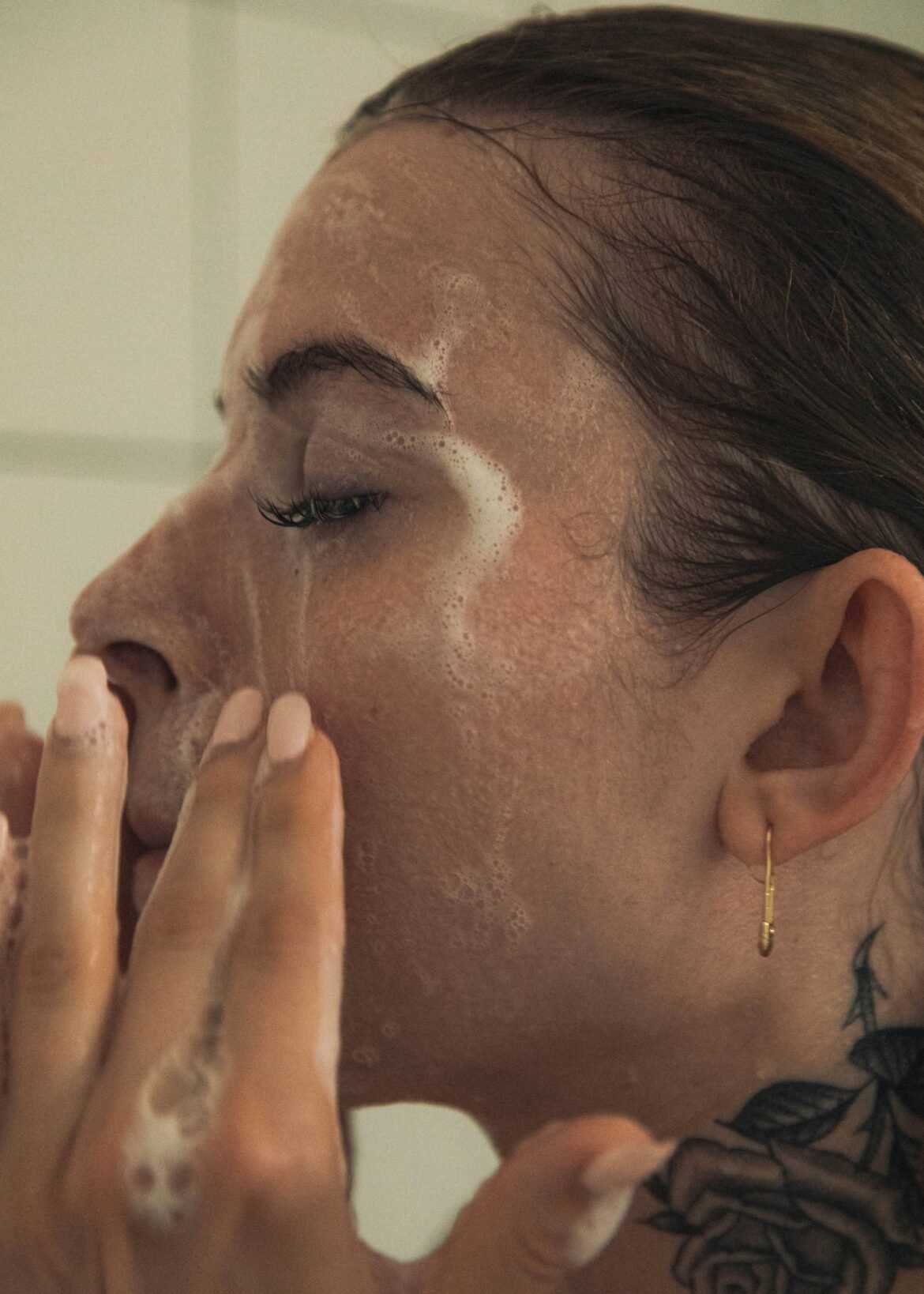
If you have ever spent five minutes scrubbing at your lashes with a damp cotton ball, you already know that waterproof mascara does not come off easily. The good news is that you can remove waterproof mascara naturally using oils and gentle techniques you likely already have at home, no harsh makeup remover required.
Key Takeaways
- Oil dissolves waterproof mascara far better than water because the mascara's wax-and-polymer film is hydrophobic. Gentle oil-based methods work best for removing waterproof mascara.
- You can remove waterproof mascara naturally with coconut oil, olive oil, or a cleansing balm paired with a soft cotton pad or microfiber cloth.
- The core routine is simple: soak, hold on closed eyes for a few seconds, lightly massage along the lashes from root to tip, then double cleanse to clear any lingering product.
- Harsh rubbing and strong alcohol-based eye makeup remover products stress the delicate skin around your eyes and cause lash breakage.
- Natural options like micellar water, cleansing oil, and reusable microfiber cloths can permanently replace conventional makeup wipes in your skincare routine.
Why Waterproof Mascara Is So Hard to Remove
Modern waterproof mascaras are engineered to withstand sweat, tears, rain, and swimming. They achieve this by using a combination of waxes, volatile solvents, and film-forming polymers that dry into a continuous, flexible coat over each lash. Once that coat sets, plain water and water-based cleansers mostly slide right over it.
Here is what is actually happening on your lashes:
- Waterproof formulas rely on hydrophobic ingredients. Waxes in waterproof mascara (like beeswax, carnauba, or microcrystalline wax) create a flexible, water-resistant coat that clings to lash fibers. Wax concentrations in these formulas can reach 7–20% by weight.
- Film-forming polymers lock everything in place. Waterproof mascaras contain film formers like acrylates and silicones (such as trimethylsiloxysilicate). Polymers in mascara provide water resistance, though they are not fully waterproof in every condition. Dimethicone is a polymer that leaves a slippery surface on lashes, and silicones create a slick surface that repels water.
- Water cannot dissolve a waterproof film. Because the entire matrix is oil-based, water-based cleansers lack the chemical compatibility to break it down. This is why your regular cleanser barely makes a dent.
- Scrubbing makes things worse. Repeated rubbing can irritate the eyelid skin and contribute to lash breakage. The skin around the eye area is thinner than almost anywhere else on your face, so harsh rubbing leads to redness and lash fallout rather than better removal.
- Oil dissolves oil. Natural oils and oil-based products like cleansing balm and cleansing oil can dissolve these waxes and polymers gently, which is why they sit at the center of every natural removal process.
How to Remove Waterproof Mascara Naturally: Step‑by‑Step
You can tackle stubborn mascara tonight using items you may already own: a kitchen oil like coconut oil, a cotton pad, and a mild cleanser. The entire removal process takes about two minutes.
- Wash your hands. Clean fingers prevent transferring bacteria to your eye area.
- Prep with lukewarm water. Splash lukewarm water around your eyes or press a warm, damp soft cloth over your closed eyes for 10–15 seconds to soften the top layer of the waterproof film.
- Apply oil or cleansing balm to a cotton pad. Use a lint-free cotton pad or reusable cotton round. Saturate it with your chosen oil or scoop a pea-sized amount of balm and spread it across the pad.
- Hold on closed eyes for 15–20 seconds. Press the oil-based remover on closed eyes and let it sit. Pressing an oil-soaked cotton pad against lashes for a few seconds helps loosen mascara so you do not need to rub.
- Lightly massage downward along lashes. Working from the lash line toward the tips, use small downward strokes. Gently wipe mascara downward to avoid lash damage. Never scrub side-to-side or tug upward. Gently roll the pad along upper lashes, then repeat on bottom lashes.
- Double cleanse. Rinse with warm water, then wash with a gentle, regular cleanser or follow up with micellar water to remove dirt and any makeup residue left behind.
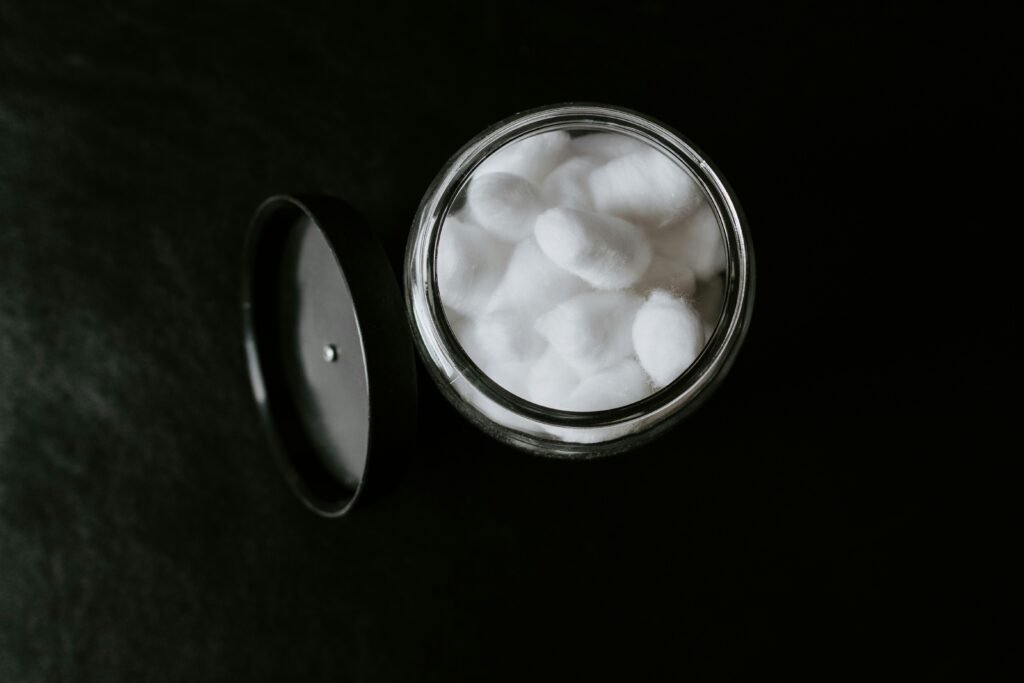
Use lint-free cotton pads, reusable makeup pads, or microfiber cloths rather than cotton balls. Cotton balls shed fibers that can drift into the eye and cause irritation.
Natural Oils You Can Use Instead of Conventional Makeup Remover
Common kitchen oils can function as a natural eye makeup remover, breaking down waterproof mascara without synthetic fragrance or alcohol. Natural oils effectively dissolve waterproof mascara without tugging because they share chemical compatibility with the waxes and polymers in the formula. Plant-based oil options dissolve waxes in waterproof mascara through this same “like dissolves like” principle.
- Coconut oil – Coconut oil effectively removes waterproof mascara and can help reduce moisture loss during makeup removal. Warm a pea-sized amount between your fingers, press onto lashes, hold for a few seconds, then gently wipe with a damp cotton pad. It is heavier, so people with acne-prone skin should always follow with a cleanser to prevent clogged pores. Coconut oil effectively removes waterproof mascara without irritation for most skin types.
- Olive oil – A lighter option found in nearly every kitchen. It dissolves stubborn mascara well and suits dry skin. Follow with a wash to avoid a greasy film.
- Sweet almond oil – Almond oil is also effective for removing waterproof mascara. Sweet almond oil nourishes the delicate eye area while lifting away pigment, making it a good choice for delicate skin that feels dry after cleansing.
- Jojoba oil – Jojoba oil mimics skin’s natural oils and is gentle for sensitive eyes. It absorbs quickly and rarely feels greasy, which makes it popular for people with balanced or combination skin types.
- Grapeseed oil – The lightest option on this list. It rinses easily and works well for oily or acne-prone skin that still needs an oil-based approach to remove waterproof makeup.
Organic oils like coconut and jojoba are oil-soluble and break down waterproof formulas effectively. Regardless of which oil you choose, dermatologists often recommend cleansing oils for removing waterproof cosmetics, especially for those with sensitive skin.
Removing Waterproof Mascara Without Makeup Remover
You can absolutely remove mascara without makeup remover. This simply means using household ingredients and water instead of a traditional bottled product.
- Warm compress plus oil method: Soak a clean washcloth in comfortably warm water and wring it out. Lay it over closed eyes for 30–60 seconds. Using a warm compress can help dissolve waterproof mascara when combined with oil. After softening the film, apply a small amount of coconut oil or olive oil to a cotton pad, lightly massage along the lashes, and gently wipe downward.
- Oil-only method: If you skip the compress, simply saturate a cotton round with your chosen oil. Press it against lashes for 15–20 seconds, then use circular motions to gently rub the mascara loose. Work the inner corner and outer edges of the lash line with a Q tip dipped in oil for precision.
- Follow with a mild face wash. After using oils, wash the eye area with a cream or gel cleanser and lukewarm water to complete a double cleanse and prevent clogged pores from leftover oil.
Gentle Techniques: How to Protect Lashes While You Clean
Technique matters just as much as the product you use. You can own the best oil cleanser on the market, but if you drag it across your lashes like sandpaper, you will still cause damage.
- Soak the cotton pad thoroughly with oil, micellar water, or your chosen remover so it glides instead of dragging across your skin.
- Hold the pad over closed eyes before wiping. Letting the remover work for a few seconds means you can lightly massage instead of scrub.
- Use small, slow downward strokes that follow the natural direction of the lashes from root to tip. Gently wipe rather than pull.
- Use microfiber cloths or reusable rounds for less friction. They pick up more pigment per pass and produce less waste than disposable makeup wipes. Wash them after every use.
- Apply pressure with your ring finger – it is naturally the weakest, which prevents you from pressing too hard on the delicate skin around the eye area.
- Never pick at dry mascara flakes. If you spot lingering product the next morning, dampen a cotton swab with oil and roll it along the lash line rather than scratching.
Natural Alternatives to Traditional Makeup Wipes
Technique matters just as much as the product you use. You can own the best oil cleanser on the market, but if you drag it across your lashes like sandpaper, you will still cause damage.
- Soak the cotton pad thoroughly with oil, micellar water, or your chosen remover so it glides instead of dragging across your skin.
- Hold the pad over closed eyes before wiping. Letting the remover work for a few seconds means you can lightly massage instead of scrub.
- Use small, slow downward strokes that follow the natural direction of the lashes from root to tip. Gently wipe rather than pull.
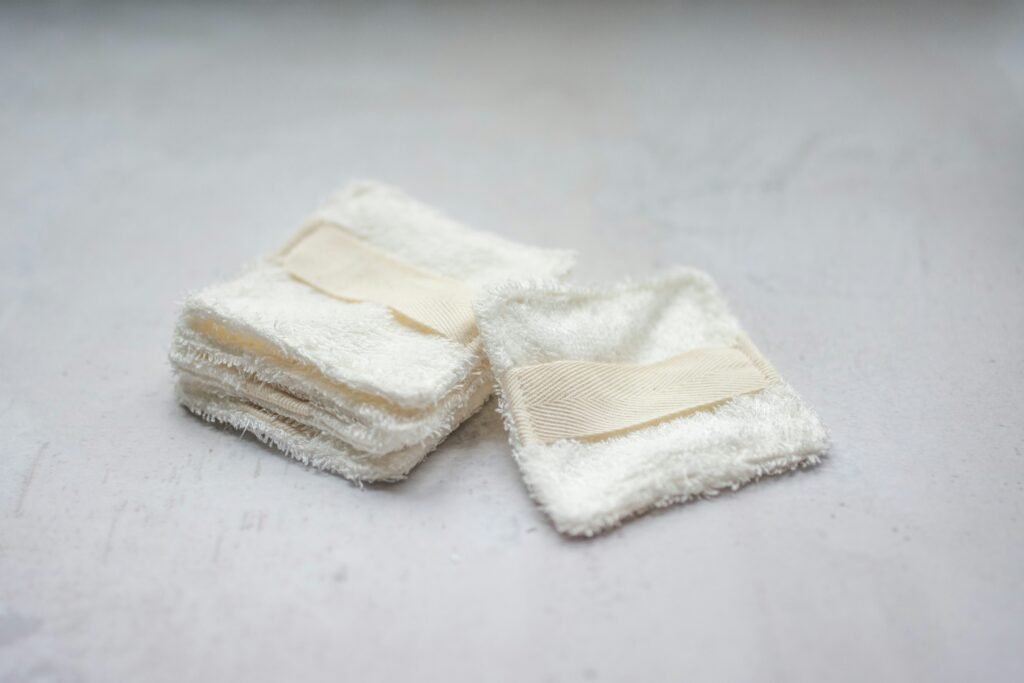
- Use microfiber cloths or reusable rounds for less friction. They pick up more pigment per pass and produce less waste than disposable makeup wipes. Wash them after every use.
- Apply pressure with your ring finger – it is naturally the weakest, which prevents you from pressing too hard on the delicate skin around the eye area.
- Never pick at dry mascara flakes. If you spot lingering product the next morning, dampen a cotton swab with oil and roll it along the lash line rather than scratching.
Using Cleansing Balm, Cleansing Oil, and Micellar Water the Natural Way
These three skincare products approach the same problem – longwear makeup – from slightly different angles. Understanding the difference helps you choose the right one for your skin.
- Cleansing balm is a solid that melts into oil on contact with your skin. Apply it to dry skin, work it over lashes with eyes closed, then emulsify with warm water until it turns milky. It rinses clean and suits dry skin well. Oil-based cleansers dissolve waterproof mascara’s waxes and polymers, and a balm delivers that dissolving power in a mess-free format.
- Cleansing oil is liquid from the start, often based on plant-based oil blends like jojoba or sunflower. Oil-based cleansers dissolve waterproof mascara effectively and are recommended for removing waterproof makeup by many dermatologists. They suit balanced to combination skin types and rarely sting sensitive eyes.
- Micellar water uses mild surfactants suspended in water to attract makeup and oil. It is the gentlest option and works well as a follow-up to oil cleansing around the eye area. However, micellar water may not fully remove waterproof mascara on its own unless the formula is specifically labeled for waterproof makeup products.
If your skin feels greasy after a balm or oil, follow with micellar water on a cotton pad. If micellar water alone leaves mascara residue, start with oil first.
Why Double Cleansing Matters After Removing Eye Makeup

A double cleanse means using an oil or balm first to dissolve makeup and sunscreen, then following with a water-based cleanser to wash everything away. Double cleansing is effective for removing waterproof makeup because no single step catches every trace of pigment, oil, and debris.
- Step one: Oil, cleansing balm, or cleansing oil breaks down the waterproof film and lifts long-lasting formulas off your lashes.
- Step two: A gentle gel or cream cleanser (your regular cleanser) sweeps away residual oil and any remaining mascara residue from the lash line. Use lukewarm water – hot water strips moisture from delicate skin.
- Why it matters for acne-prone skin: Leftover coconut oil or other heavy oils can clog pores if not fully removed. The second cleanse prevents buildup that may lead to milia or breakouts.
- Why it matters for eye health: Residual waterproof film left on lashes can trap debris and contribute to meibomian gland clogging, which affects tear film stability and can lead to dryness or irritation.
Ingredients to Embrace and Avoid Around the Eyes
The eye area is more sensitive than the rest of your face. The skin is thinner, and irritants can migrate toward the tear film during the removal process. Choosing the right ingredients in any eye makeup remover makes a measurable difference.
Ingredients to embrace:
- Plant oils: coconut oil, jojoba oil, almond oil, grapeseed oil
- Soothing agents: glycerin, aloe vera, chamomile extract
- Non-stripping surfactants found in gentle micellar water (look for “fragrance-free” and “alcohol-free” on the label)
Ingredients to approach with caution or avoid:
- High concentrations of drying alcohol (denatured alcohol, SD alcohol)
- Strong synthetic fragrance or parfum
- Harsh sulfates (sodium lauryl sulfate)
- Petroleum jelly near the lash line in large amounts (can blur vision and trap debris)
- Mineral oil if you prefer fully plant-based skincare products
- Avoid essential oils and homemade mixtures around the eyes, as they can cause irritation. Some people also react to preservatives like methylisothiazolinone or benzalkonium chloride, which are common allergens in eye-area cosmetics.
Fragrance-free versions of cleansing oil or eye makeup remover are generally safer for sensitive eyes.
Frequently Asked Questions About How to Remove Waterproof Mascara Naturally
Can I use coconut oil every night to remove waterproof mascara?
Coconut oil effectively removes waterproof mascara and is generally safe for the lash area. However, daily use can feel too heavy for some skin types, particularly oily or acne-prone skin, especially if it is not fully removed in a double cleanse. If you notice milia, clogged pores, or blurred vision from residue, alternate with a lighter cleansing oil or micellar water-based eye makeup remover.
Is micellar water enough to remove waterproof mascara on its own?
Standard micellar water often struggles with very stubborn waterproof formulas. It can work if the product is a version specifically labeled for waterproof eye makeup. For the most reliable results, use micellar water as part of a two-step routine: first an oil or balm to break down the mascara, then micellar water on a cotton pad to sweep away any remaining film.
How can I tell if all my waterproof mascara is really gone?
After cleansing, gently sweep a clean, damp cotton pad or microfiber cloth along the upper lashes and bottom lashes near the lash line. Any gray or black smudges mean more removal is needed. Your lashes should feel soft and flexible, not stiff or crunchy, and there should be no visible dark ring at the lash roots when you look closely in a mirror.
Can I remove waterproof mascara just with water in the shower?
Plain water, even warm water, will not reliably dissolve waterproof mascaras that are designed to resist water and withstand sweat. These water-resistant formulas repel water by design. Apply a small amount of cleansing oil or balm to your lashes before stepping under the shower, then rinse thoroughly so the mascara is already loosened when the water hits.
Does using waterproof mascara every day hurt my lashes?
Occasional waterproof mascara use is usually fine. However, daily wear of long-lasting formulas combined with harsh removal techniques can contribute to lash dryness and breakage over time. Consider limiting waterproof formulas to days you truly need them – workouts, hot summer days, events – and using regular mascara the rest of the time. On removal nights, focus on gentle, oil-based removal and optionally apply a drop of natural oil to clean lashes as a conditioning step.